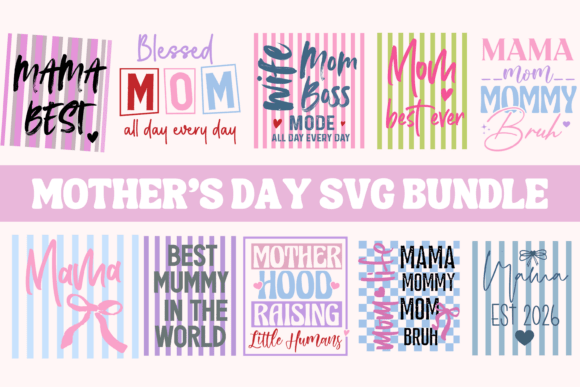
Mom Life SVG Bundle: A Real-World Embroidery Design Review
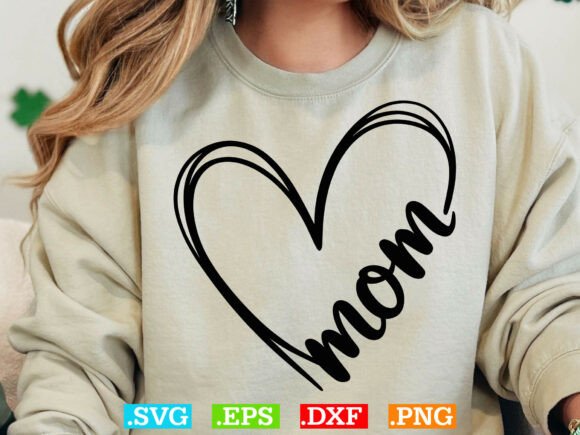
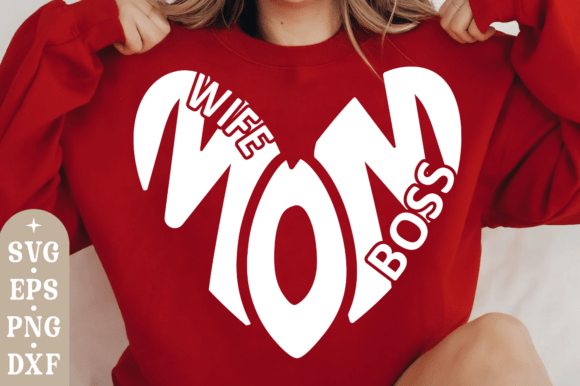
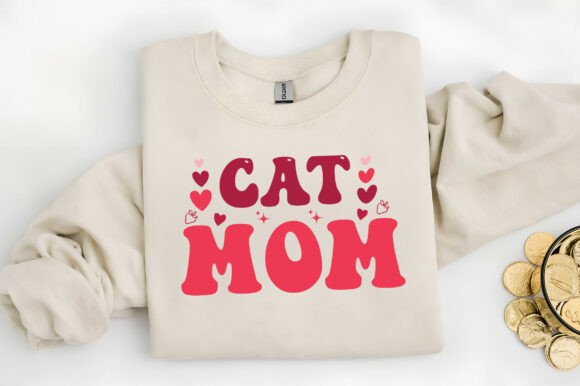
When I first opened the Mother’s Day SVG Bundle, Mom Life SVG, I didn’t see a flat collection of graphics. I saw a stack of tote bags, a rack of soft sweatshirts, and a line of customers smiling at a craft fair booth. As an embroidery designer who reviews products for real stitch‑outs, I judge a design bundle by how it will behave under a needle, not just on a screen. This set of 10 unique mom SVG designs, marketed under Graphics and T‑Shirt Designs, arrives with a playful, warm‑hearted personality that instantly feels giftable. The bundle includes SVG, high‑resolution PNG (300 DPI, transparent background), EPS, and DXF files. That’s a flexible foundation, but the real question is whether it can become a polished machine embroidery design that holds up on fabric, washes well, and sells.
Mood, Shape, and Visual Personality
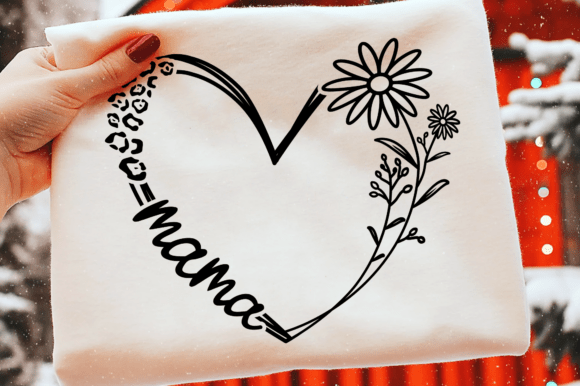
The overall mood leans into funny, cute, and relatable Mom Life territory. The designs mix bold, clean typography with soft illustrative touches—coffee cups, hearts, script phrases, and a few witty one‑liners that feel like a knowing wink between parents. As an embroidery asset, this balance is promising. The shapes are distinct, the line weights are consistent, and the level of detail isn’t so dense that it would choke a satin stitch. I appreciate that the bundle doesn’t rely on gradients or photo‑realistic shading. That kind of simplicity is a gift when you’re planning fill stitch areas, running stitch outlines, and appliqué accents. The transparent PNG files let me quickly mock up a design on a tote bag or a baby onesie to see how the visual weight lands on fabric texture, which is exactly what I need before I commit to digitizing.
Choosing the Right Embroidery Project
I mentally test every design against a real‑life scenario, and this bundle immediately connected to a small‑batch Mother’s Day line I’m building for a local boutique. I pictured a natural canvas tote bag with a “Mom Life” coffee cup motif, stitched in rich espresso brown and soft cream thread. The design’s personality would make that tote an easy, personalized gift that feels both modern and handmade. The same set could easily migrate to a cozy sweatshirt, a kitchen towel, an apron, or a lined baby hoodie. Because the artwork is vector‑based, I can scale it for a 4x4 hoop on a cap or expand it for a full‑back embroidery on a denim jacket. I also considered using one of the simpler designs as an embroidered patch, which would be a great add‑on item for a craft business or Etsy seller looking to bundle products.
The broad appeal of the Mom Life theme means these designs work for holiday embroidery, custom apparel, and even boutique branding. A small shop owner could stitch a few of the designs onto pillow covers and tea towels, creating a cohesive product collection that feels curated rather than scattered. The high‑resolution PNG files are perfect for printable mockups, so you can build a professional Etsy listing or a client preview that shows exactly how the finished product will look on different fabric textures.
Translating Graphics into Stitches
This bundle is not a set of ready‑to‑stitch embroidery files. The SVG, EPS, and DXF formats are design assets that need to be digitized. That’s not a drawback—it’s a creative control point. When I bring a design like this into my digitizing software, I look at every element and decide how it will translate into thread. The bold lettering that appears in many of the designs is a natural fit for a clean satin stitch, but I’ll need to check the width of the thinnest strokes. Anything under 1.5mm can become fragile or disappear on textured fabric. I often convert delicate script into a slightly thicker running stitch or add a subtle underlay to keep the satin stitch crisp. The more illustrative shapes, like hearts or coffee cups, can handle a fill stitch with a satin outline, giving the embroidery a dimensional, professional look.
Stitch density is another factor I pay close attention to. A graphics file doesn’t have a built‑in density map, so I’ll test a sample stitch‑out to see if the design puckers or pulls. I usually start with a medium‑weight cutaway stabilizer on a woven cotton, then adjust. For a sweatshirt or a stretchy baby garment, I’ll step up to a fusible mesh stabilizer to prevent distortion. The transparent PNG is a handy reference during digitizing; I can overlay it on a photo of the target fabric to check contrast and thread color choices before a single stitch is sewn.
Where to Use These Designs With Care
No design is perfect for every surface, and the Mother’s Day SVG Bundle, Mom Life SVG has specific weak spots that an embroidery pro should anticipate. Here are the situations where I’d proceed with extra caution:
- Small hoop sizes: Some designs include smaller decorative elements or script that will lose readability below 3 inches. I’d simplify those details or choose a simpler design from the bundle for a 4x4 hoop.
- Textured and stretchy fabrics: Terry cloth towels, fleece, and thin jersey can swallow fine details. I’d test the stitch‑out on scrap fabric first, and I might use a water‑soluble topper to keep the stitches from sinking.
- Dark fabrics: Contrast is everything. A design that looks bold on a white mockup might feel muddy on a charcoal sweatshirt. I’ll always test thread colors on a swatch of the actual fabric, and I’ll use the PNG file to create a black‑and‑white version to check the silhouette.
- Curved surfaces like caps: The designs with a strong horizontal orientation may need to be rotated or split into a vertical layout for a structured cap. I’d also reduce the stitch count and choose a thinner stabilizer to avoid stiffness.
- Frequent washing: If the finished product is a kitchen towel or a baby onesie, I’ll use a dense underlay and a polyester thread that can handle repeated laundering without fading.
Visual Impact and Customer Engagement
From a product value perspective, the Mom Life SVG bundle is a giftability powerhouse. The designs tap into the shared experience of motherhood in a way that feels personal, humorous, and instantly recognizable. When a customer sees a beautifully embroidered tote bag with a “Mom Life” slogan and a tiny stitched coffee ring, they’re not just buying a bag—they’re buying a feeling. That emotional hook is what drives handmade product sales, repeat business, and word‑of‑mouth referrals. The designs also hold up well in digital mockups, which is essential for Etsy sellers and small shop owners who need to build trust before a customer clicks “buy.”
The bundle’s versatility also strengthens brand consistency. You can use the same design family across multiple products—a sweatshirt, a patch, a tea towel—and the visual language stays cohesive. That kind of professional presentation increases buyer confidence and makes your shop look intentional, not random. The humor and warmth in the designs also make them highly shareable on social media, which can drive organic traffic to your listings.
Practical Embroidery Designer Notes
Before you hoop up and start stitching, here are the steps I always follow when working with a graphics bundle like this. These notes are based on real stitch‑outs and the kind of troubleshooting that happens in a busy embroidery room.
- Test on scrap fabric first: Use a fabric that matches your final product as closely as possible. Check for puckering, thread breaks, and registration issues.
- Review stitch density: A design that looks great at 100% scale might be too dense at 60%. Run a stitch‑out at the exact size you’ll use in production.
- Check thread color contrast: Hold a few thread spools next to the fabric under good lighting. The PNG file can help you preview, but physical thread is always the final judge.
- Confirm hoop size: Measure the digitized design before you stitch. Make sure it fits comfortably in your hoop, leaving at least half an inch of clearance on all sides.
- Inspect small details: Look at the tiniest text and thinnest lines. If they disappear on the test stitch‑out, you may need to remove or thicken them during digitizing.
- Test on light and dark backgrounds: A design that pops on white might need a lighter thread color or a different underlay on navy. The transparent PNG makes this comparison easy.
- Use proper stabilizer: For tote bags, a medium cutaway. For towels, a tear‑away with a water‑soluble topper. For knits, a no‑show mesh. Stabilizer choice is as important as the design itself.
- Check licensing: The product description doesn’t detail commercial use terms. I always verify with the seller or read the included license file before I sell finished items as a small business product. This protects your craft business and your reputation.
Bringing the Bundle to Life in a Real Craft Business
Let me share a concrete example. I’m preparing for a spring Mother’s Day pop‑up, and I want to offer a line of embroidered tote bags, tea towels, and baby rompers. I select three designs from the bundle: a bold “Mom Life” stacked text, a floral heart with a tiny script phrase, and a humorous coffee quote. I digitize each one at a size that fits a 5x7 hoop, which is a standard size for many home embroidery machines. I choose a palette of soft coral, deep navy, and warm gold thread. I stitch the designs onto organic cotton totes, linen tea towels, and soft interlock rompers. I use the PNG files to create a printable mockup for each product, which I upload to my Etsy shop and print as a table sign for the pop‑up. The cohesive look and the relatable designs draw customers in, and the tea towels sell out by mid‑morning. That’s the kind of real‑world result a well‑selected design bundle can deliver when you treat it as a raw material rather than a finished product.
Final Stitch‑Out Verdict
After spending time with the Mother’s Day SVG Bundle, Mom Life SVG, I’m confident it’s a strong addition to any embroidery designer’s digital library. The artwork is charming, the file formats are practical, and the Mom Life theme has a timeless, giftable quality that works for holiday embroidery, personalized gifts, and small shop merchandise. It’s not a plug‑and‑play embroidery file, but it’s a flexible design asset that gives you complete control over stitch type, density, and final presentation. With thoughtful digitizing, proper stabilizer, and a few test stitch‑outs, these designs can become the heart of a profitable Mother’s Day product line. The bundle earns its place in my collection, and I’ll be reaching for it again next spring.