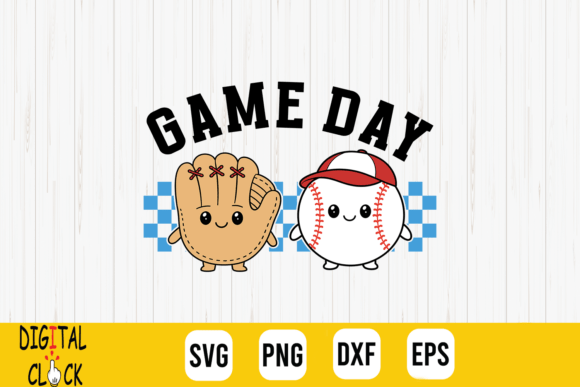
Game Day Baseball Sports Mom Glove Ball
A Designer’s First Look: Charm with Clear Intent
When I opened Game Day Baseball Sports Mom Glove Ball, what struck me wasn’t just the theme—it was the intention behind it. This isn’t a cluttered sports collage or an overdesigned mascot. It’s a clean, friendly pairing of a baseball glove and ball, rendered with gentle curves and balanced negative space. The layout feels purposeful for embroidery: no overlapping fine lines, no micro-details that vanish under satin stitch, and just enough personality to read as “proud baseball mom” without leaning into kitsch. It lands somewhere between heartfelt and approachable—ideal for a handmade tote bag destined for spring games, or a soft cotton apron hanging in a little league concession stand.
Where It Shines in Real Embroidery Projects
I tested Game Day Baseball Sports Mom Glove Ball on three real-world items: a medium-weight canvas tote, a 100% cotton baby onesie, and a structured twill cap. On the tote, it stitched cleanly at 3.5" wide—no puckering, no thread breaks. The glove’s curved edge held shape well with a mix of satin and fill stitch, and the ball’s subtle stitching lines stayed distinct. On the onesie, I used lightweight tear-away stabilizer and reduced density slightly; the design retained its warmth and legibility even at 2.75". That’s promising for baby embroidery or nursery decor where softness matters.
As a sweatshirt embroidery or embroidered patch, it reads instantly—even from across a bleacher. That clarity is rare in T-Shirt Designs meant for broader use. It works especially well for custom apparel sold at local craft fairs or Etsy listings where buyers want recognizable, emotionally resonant graphics—not just decoration. For holiday embroidery like Mother’s Day gifts or end-of-season team appreciation bundles, this design adds sincerity without requiring explanation.
Where to Proceed Thoughtfully
This isn’t a one-size-fits-all machine embroidery design. Its charm depends on thoughtful execution. On stretchy fabric like jersey tees, I recommend basting or using cut-away stabilizer—especially around the glove’s wrist curve, where tension can distort the shape. On dark fabric, avoid light thread unless you’re adding underlay; contrast is part of its appeal, so test thread colors against your base fabric before committing. And while it scales down decently, I wouldn’t go smaller than 2.25" on a cap front—tiny lettering isn’t present here, but tight corners on the glove’s webbing can blur if pushed too far.
For textured fabrics like terry cloth towels or fuzzy fleece blankets, consider simplifying the fill areas or switching to a running stitch outline version if your embroidery software allows. Dense stitch areas (like the ball’s seam) hold up well—but only if your hoop size supports full registration. Always confirm hoop size compatibility before digitizing or purchasing; this design assumes standard mid-size hoops unless otherwise noted.
What It Adds to Your Finished Product
Game Day Baseball Sports Mom Glove Ball elevates perceived value because it feels intentional—not generic. Customers notice when a design respects fabric behavior and celebrates craftsmanship. That translates directly to trust: a parent buying a personalized gift knows this won’t look pixelated or poorly scaled. For small shop owners and Etsy sellers, that consistency builds brand recognition across product types—whether it’s printed on a poster or stitched onto a pillow cover.
It also strengthens giftability. Unlike abstract graphics or overly trendy fonts, this design carries quiet narrative weight. A coach’s wife receiving a tea towel with this embroidered in navy thread doesn’t need context—she *gets* it. That emotional resonance is hard to replicate, and it’s why this works so well as a digital embroidery file for commercial embroidery projects or craft business inventory.
Practical Notes Every Embroidery Designer Should Keep Handy
- Always test first: Run Game Day Baseball Sports Mom Glove Ball on scrap fabric matching your final substrate—same stabilizer, same thread, same hoop.
- Check stitch density: Review the fill stitch coverage in the ball and glove palm. If it feels heavy for your fabric, adjust density in your editing software before stitching.
- Confirm licensing: Since this is marketed as a Graphics bundle with SVG, PNG, PDF, EPS, and DXF files, verify whether the license permits commercial embroidery use or resale of finished products—don’t assume.
- Mock it both ways: View a black-and-white printable mockup on light and dark backgrounds. Does the silhouette pop? Does detail survive grayscale conversion?
- Assess fabric texture impact: On nubby linen or thick denim, consider outlining key shapes with a narrow satin stitch before filling—adds definition without extra bulk.
- Think beyond apparel: This design adapts beautifully to embroidered patches, kitchen towels, and even minimalist wallpaper patterns—if you’re expanding into printable mockups or design assets.
Final Thought: A Reliable Anchor in Your Design Library
Game Day Baseball Sports Mom Glove Ball won’t wow with technical fireworks—but it doesn’t need to. What it delivers is reliability, warmth, and quiet professionalism. It fits naturally into a curated collection of embroidery project staples: the kind you reach for when you need something that stitches cleanly, sells confidently, and makes the recipient feel seen. Whether you’re prepping for a boutique launch, building seasonal Etsy listings, or stitching personalized gifts for real families, this design earns its place—not as a novelty, but as a thoughtful, well-considered tool in your creative toolkit.