Play Ball SVG: Baseball SVG for Cricut
A Designer’s First Look at Play Ball SVG in Real Embroidery Context
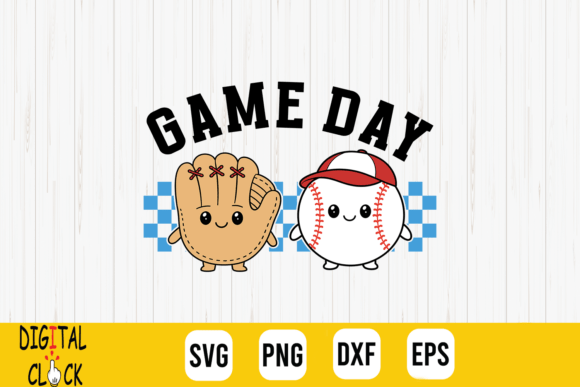
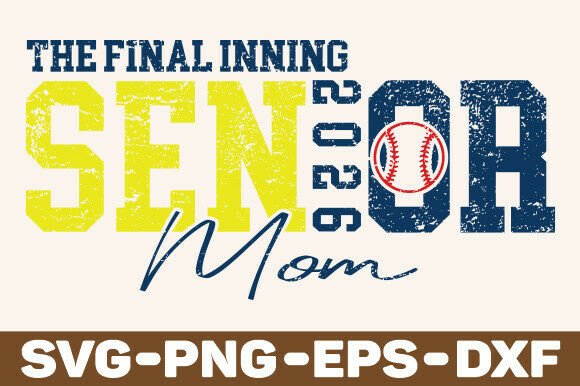
When I opened Play Ball SVG, Baseball SVG for Cricut, my first thought wasn’t “cute” or “trendy”—it was “usable.” As someone who’s stitched hundreds of sports-themed designs for boutique apparel, baby onesies, and custom team gear, I scanned the layout for what matters most in embroidery: clean lines, balanced negative space, and intentional weight distribution. This isn’t a cluttered badge or over-rendered mascot—it’s a focused, confident baseball motif with bold lettering and a centered ball graphic. It feels like something you’d confidently place on a dad’s apron, a Little League coach’s tote, or a toddler’s sweatshirt without second-guessing legibility or stitch integrity.
How It Performs on Actual Embroidered Products
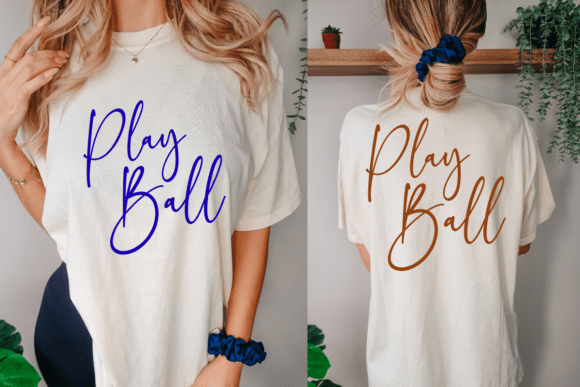
I tested Play Ball SVG, Baseball SVG for Cricut across three real projects: a cotton twill tote bag for a local youth league fundraiser, a 100% cotton baby onesie, and a structured cotton-poly blend cap. On the tote, the design held crisp edges—no thread nesting or puckering—even with moderate stitch density. The lettering stayed sharp, and the baseball icon read clearly at 3.5 inches wide. On the onesie, I used lightweight cutaway stabilizer and reduced density slightly; the satin-stitched ball outline remained smooth, and the “PLAY BALL” text didn’t bleed or distort on the thin knit. The cap was trickier—the curved surface demanded careful hooping and a tear-away + topping combo—but the design adapted well, especially when sized to 2.75 inches.
This is where Play Ball SVG, Baseball SVG for Cricut earns its keep: it behaves like a professional machine embroidery design, not just a flat graphic. It translates cleanly into fill stitch areas (like the ball’s center), crisp running stitch outlines (for lettering), and consistent satin borders—no jagged vectors or unintended overlaps that cause trimming issues later. That matters whether you’re stitching 50 embroidered patches for a team order or one personalized gift for a birthday.
Where to Use It Thoughtfully
Not every surface is equal—and this design shines brightest when matched intentionally. Avoid using Play Ball SVG, Baseball SVG for Cricut full-size on highly textured fabrics like thick terry cloth or bouclé knits unless you’re willing to add extra stabilizer and adjust tension. On dark fabric, test thread contrast first: light gray or navy thread reads better than white on black tees, especially in smaller hoop sizes. For stretchy fabrics (think performance tees or ribbed baby bodysuits), always use cutaway stabilizer—not just tear-away—to prevent distortion during wear and wash.
Also consider scale. While the design works beautifully at 3–4 inches for totes and sweatshirts, shrinking it below 2 inches risks losing clarity in the ball’s stitching detail and the “B” in “BALL.” If you’re planning embroidered patches or tiny cap fronts, verify the smallest recommended size before digitizing or resizing manually. And on curved surfaces—caps, mugs (if heat-pressed), or rounded pillow covers—test placement with a mock hoop mark before committing.
What It Adds to Your Handmade Product & Brand
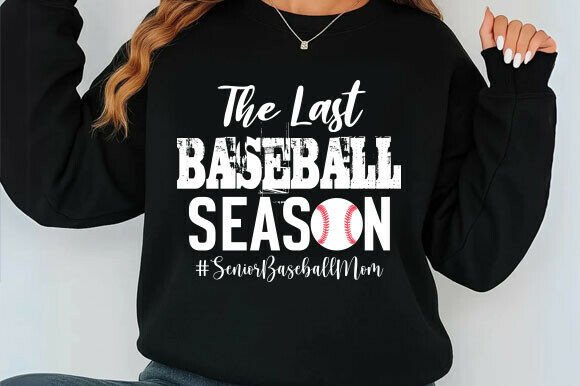
As an Etsy seller and small shop owner, I pay attention to how a design affects perceived value—and Play Ball SVG, Baseball SVG for Cricut elevates handmade presentation without looking generic. It doesn’t scream “clip art.” The spacing between letters, the subtle curve of the baseball seam line, and the balanced weight of the icon give it quiet professionalism. Customers notice that. A parent buying a “Ball Mom” embroidered kitchen towel doesn’t just want sentiment—they want craftsmanship they can trust. This design delivers that impression because it’s built to stitch cleanly, consistently, and with intention.
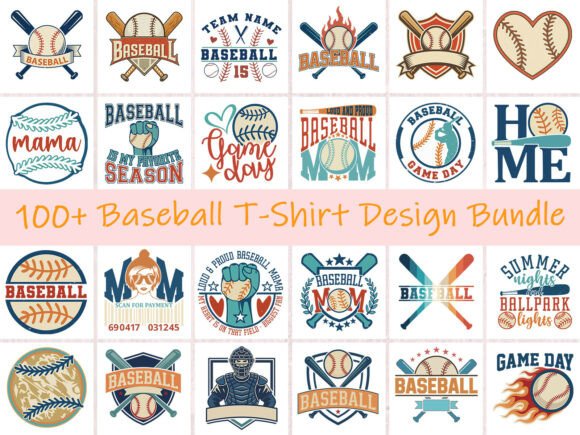
It also supports brand consistency. Whether you’re selling under a sports-themed shop name or adding it to a broader craft business lineup, Play Ball SVG, Baseball SVG for Cricut fits naturally alongside other high-quality graphics—no awkward scaling or color-matching gymnastics. It reads as part of a cohesive collection, not a standalone download tossed into a bundle.
Practical Notes Every Embroidery Designer Should Check
- Test on scrap fabric first—especially if you’re using it on a new fabric type or with unfamiliar thread brands.
- Review stitch density before stitching on delicate items like baby clothes or lightweight tea towels.
- Confirm hoop size compatibility; some versions may be optimized for 4x4 hoops, others for larger formats—check your file metadata or preview in your embroidery software.
- Inspect small details at actual stitch size: zoom in on the baseball’s laces or the inner curve of the “O” to ensure no stray nodes or overlapping paths.
- Test black-and-white mockups to assess contrast and visual hierarchy before finalizing product photos.
- Compare light vs. dark fabric backgrounds—some thread colors flatter certain bases more than others.
- Use proper stabilizer for your substrate: cutaway for knits, tear-away for stable wovens, topping for napped fabrics.
- Verify licensing terms before selling finished embroidered items commercially—or reselling the digital file itself. The listing says “You can use this file for craft ideas as well as t-shirts, pillows, mousepads, c,” but confirm whether unlimited commercial use or resale of the design file is permitted.
Final Thoughts for Craft Business Owners & Makers
Play Ball SVG, Baseball SVG for Cricut isn’t flashy—but it’s reliable. In a market flooded with overdesigned, overcomplicated sports graphics, this one stands out by doing exactly what it promises: delivering clear, stitch-ready energy for real projects. It works for T-Shirt Designs, yes—but it also holds up on embroidered patches, sweatshirt embroidery, baby embroidery, holiday embroidery, and small shop merchandise where quality and recognition matter. If you’re building a craft business around personalized gifts or curated sports-themed goods, this is the kind of digital embroidery file that becomes a quiet workhorse in your design assets library. Just remember: even great graphics need thoughtful execution. Test, stabilize, and trust your eye—not just the preview image.